
The Tree - Person Sheet
The Tree - Person Sheet
NamePaul Inch 
Birth4 Dec 1803, St. Breward, Cornwall, England
Death9 Apr 1877, Leech Street, New Plymouth, New Zealand
Misc. Notes
Name from Ross Davis in a facebook post in November 2018, “Paul Inch, with Tabitha Edwards (his wife) arrived in New Plymouth on the "William Bryan" with three children. Phillippa, Louisa, and Thomas Inch”. Ross Davis is the great-great grandson of this Paul Inch b1803.
- -
Sailed from Plymouth, England on the 19th November 1840 and arrived at New Plymouth, New Zealand on the 30th March 1841
https://www.geni.com/projects/New-Zealand-Settler-Ships-William-Bryan-1841/12857
Inch
- Paul 31 Shoemaker
- Tabitha 33
- Phillippa Under 14
- Louisa Under 14
Brian of nzolivers notes the discrepancy in the ages of Paul and Tabitha in the passenger list against those dates of birth later found here.
Brian surmises that they may have lied about their age to be eligible for emigration. This theory is supported by a book Brian has found online. It was put out by the New Zealand Company and called, “Information Respecting the Settlement of New Plymouth in New Zealand”:
https://steemit.com/history/@ravenruis/nz-history-...lers-in-new-plymouth
APPENDIX (No. II.) REGULATIONS FOR LABOURERS WISHING TO EMIGRATE TO NEW-ZEALAND
(4) They must be actual labourers, going out to work for wages in the Colony, of sound mind and body, not less than fifteen nor more than forty years of age, and married. The marriage certificate must be produced.
If the passenger ages are recorded as at the date of departure from the English port of Plymouth on the 19th of November 1840:
- Paul being born 4 December 1803 would in fact have been 36 (not 31), when they departed England.
- Tabitha 33 being born in March 1787 would in fact have been 53 on the 19th of November 1840 (not 33), when they departed England. For Tabitha, this would of clearly of been a problem, hence the ages fudged.
The writer of the website notes that, “a number of the passengers (both single and married) fibbed about their ages in order to secure their passage”.
- -
Date and place of birth and death from:
https://www.geni.com/people/Paul-Inch/6000000017965539398
Ross Davis is the great-great grandson of Paul Inch. Extracts from Ross’ post on the facebook “Taranaki Families - Genealogy and DNA” Group on 12 August 2018 are as follows:
“The New Zealand ‘Inch’ Family arrival at New Plymouth aboard the “William Bryan” on 31st March 1841”.
“My Great Grandfather, Thomas Inch were amongst these settlers, they survived on merger rations with vegetable gardens becoming the most important asset”.
“Paul Inch had to be self-sufficient to survive with his family of three children. Gran often talked about all the eatable weeds that grew in New Plymouth. Often showing me which ones you could use, and how to cook them and with the Berries on the native Trees that grew in abundance around Fitzroy. Gran had several of these trees growing in her back yard, now I understand why this alternant food was so important”.
“Gran Inch often talked about the Inch boatmen, my Great Grandfather Thomas Inch, was one of the team who meet all the Boats anchored out at sea. Gran explained the team rowed out in large rowing Boats able to carry 5 tons, to transport New Migrants back to the beach to become, New settlers in a new land”.
“Temporary housing sites had been provided on Mount Eliot (the present-day site of Puke Ariki museum), and frustrations mounted as settlers were forced to squat in homes built of rushes and sedges through winter, amid flourishing numbers of rats, dwindling food supplies and rising unease over the prospects of a repeat raid by Waikato Maori. The first suburban sections were not available until October, while those who had bought town sections were forced to wait until mid-November.
“The second ship, Amelia Thompson, arrived off the Taranaki coast on 3 September and sat off shore for five weeks because its captain feared Ngamotu reputation as a dangerous shipping area. Its 187 passengers were helped ashore by Barrett and his men over the course of two weeks, each small boatload taking five hours to row from the vessel to the shore. The ship's precious food cargo, including flour and salted meat, was finally brought ashore for New Plymouth's starving residents on 30 September”.
“The loss of its baggage ship, ‘The Regina’, which was blown ashore on to a reef, contributed to New Plymouth's reputation as a dangerous area for shipping, discouraging other vessels from berthing”.
“By one account, settlers were by now moaning vociferously about having ever left England. Living was a continual battle to shield themselves against the elements and their food supplies against termites, insects and hungry animals. Drunkenness was rife among the labourers in a dreary existence with too little to do. Flour supplies had run out again and there was no likelihood of more until the next boatload of settlers arrived. Te Ati Awa, too were hungry. The co-operative ones had planted more crops than usual; to feed the coming Pakeha, but so many more Europeans had turned up than they expected that they also were short of food”.
“As summer arrived, buildings began to be erected, gardens planted and wheat sown”.
Date and place of marriage from Cornwall, England, Parish Registers, 1538-2010, found in February 2019:
Name: Paul Inch
Gender: Male
Event Type: Marriage
Marriage Date: 6 Feb 1831
Marriage Place: St Tudy, Cornwall, England
Spouse: Tabitha Edwards
- -
Sailed from Plymouth, England on the 19th November 1840 and arrived at New Plymouth, New Zealand on the 30th March 1841
https://www.geni.com/projects/New-Zealand-Settler-Ships-William-Bryan-1841/12857
Inch
- Paul 31 Shoemaker
- Tabitha 33
- Phillippa Under 14
- Louisa Under 14
Brian of nzolivers notes the discrepancy in the ages of Paul and Tabitha in the passenger list against those dates of birth later found here.
Brian surmises that they may have lied about their age to be eligible for emigration. This theory is supported by a book Brian has found online. It was put out by the New Zealand Company and called, “Information Respecting the Settlement of New Plymouth in New Zealand”:
https://steemit.com/history/@ravenruis/nz-history-...lers-in-new-plymouth
APPENDIX (No. II.) REGULATIONS FOR LABOURERS WISHING TO EMIGRATE TO NEW-ZEALAND
(4) They must be actual labourers, going out to work for wages in the Colony, of sound mind and body, not less than fifteen nor more than forty years of age, and married. The marriage certificate must be produced.
If the passenger ages are recorded as at the date of departure from the English port of Plymouth on the 19th of November 1840:
- Paul being born 4 December 1803 would in fact have been 36 (not 31), when they departed England.
- Tabitha 33 being born in March 1787 would in fact have been 53 on the 19th of November 1840 (not 33), when they departed England. For Tabitha, this would of clearly of been a problem, hence the ages fudged.
The writer of the website notes that, “a number of the passengers (both single and married) fibbed about their ages in order to secure their passage”.
- -
Date and place of birth and death from:
https://www.geni.com/people/Paul-Inch/6000000017965539398
Ross Davis is the great-great grandson of Paul Inch. Extracts from Ross’ post on the facebook “Taranaki Families - Genealogy and DNA” Group on 12 August 2018 are as follows:
“The New Zealand ‘Inch’ Family arrival at New Plymouth aboard the “William Bryan” on 31st March 1841”.
“My Great Grandfather, Thomas Inch were amongst these settlers, they survived on merger rations with vegetable gardens becoming the most important asset”.
“Paul Inch had to be self-sufficient to survive with his family of three children. Gran often talked about all the eatable weeds that grew in New Plymouth. Often showing me which ones you could use, and how to cook them and with the Berries on the native Trees that grew in abundance around Fitzroy. Gran had several of these trees growing in her back yard, now I understand why this alternant food was so important”.
“Gran Inch often talked about the Inch boatmen, my Great Grandfather Thomas Inch, was one of the team who meet all the Boats anchored out at sea. Gran explained the team rowed out in large rowing Boats able to carry 5 tons, to transport New Migrants back to the beach to become, New settlers in a new land”.
“Temporary housing sites had been provided on Mount Eliot (the present-day site of Puke Ariki museum), and frustrations mounted as settlers were forced to squat in homes built of rushes and sedges through winter, amid flourishing numbers of rats, dwindling food supplies and rising unease over the prospects of a repeat raid by Waikato Maori. The first suburban sections were not available until October, while those who had bought town sections were forced to wait until mid-November.
“The second ship, Amelia Thompson, arrived off the Taranaki coast on 3 September and sat off shore for five weeks because its captain feared Ngamotu reputation as a dangerous shipping area. Its 187 passengers were helped ashore by Barrett and his men over the course of two weeks, each small boatload taking five hours to row from the vessel to the shore. The ship's precious food cargo, including flour and salted meat, was finally brought ashore for New Plymouth's starving residents on 30 September”.
“The loss of its baggage ship, ‘The Regina’, which was blown ashore on to a reef, contributed to New Plymouth's reputation as a dangerous area for shipping, discouraging other vessels from berthing”.
“By one account, settlers were by now moaning vociferously about having ever left England. Living was a continual battle to shield themselves against the elements and their food supplies against termites, insects and hungry animals. Drunkenness was rife among the labourers in a dreary existence with too little to do. Flour supplies had run out again and there was no likelihood of more until the next boatload of settlers arrived. Te Ati Awa, too were hungry. The co-operative ones had planted more crops than usual; to feed the coming Pakeha, but so many more Europeans had turned up than they expected that they also were short of food”.
“As summer arrived, buildings began to be erected, gardens planted and wheat sown”.
Date and place of marriage from Cornwall, England, Parish Registers, 1538-2010, found in February 2019:
Name: Paul Inch
Gender: Male
Event Type: Marriage
Marriage Date: 6 Feb 1831
Marriage Place: St Tudy, Cornwall, England
Spouse: Tabitha Edwards
Spouses
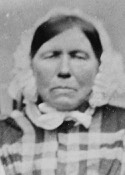

BirthMar 1787, Bodmin, Cornwall, England
Baptism25 Feb 1797, Bodmin, Cornwall, England
Death8 Oct 1889, New Plymouth, New Zealand
Marriage6 Feb 1831, St. Tudy, Cornwall, England
ChildrenPhillipa (1830-1927)
Louisa Levina (1833-1897)
Waiman (1835-1835)
Wymond (1837-1837)
Thomas (1838-1911)