
The Tree - Person Sheet
The Tree - Person Sheet
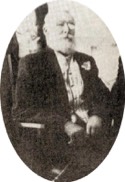
NameThomas Ainsworth Anlezark 

Birthca 1765, Pleasington Hall, Lancashire, England
Death3 Apr 1834, Liverpool, NSW, Australia
Burial4 Apr 1834, Liverpool, NSW, Australia
FatherJames Richard Anlezark (1729-1772)
MotherMargaret (1733-1771)
Misc. Notes
Name, years of birth and death, from entry for son, James 'Handlesack' Anlezark, in the Geneanet Community Trees Index found in October 2023:
https://gw.geneanet.org/bmuckleston?n=anlezark&...wODI.*_ga_4RKCCQD74Y*YjVhM2U3YWItZWNkYi00MGQ4LTg1ODctZDhhNTkxM2E5NGQzLjYuMS4xNjk3OTQ2ODcxLjAuMC4w
James 'Handlesack' Anlezark
Parents
Thomas Ainsworth Anlezark ca 1765-1834
Ann Starmer 1767-1825
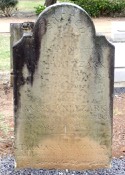
Date of death from photo of headstone found in October 2023:
Sacred
To the Memory of
ANN ANLEZARK
Who departed this Life Oct 28 - 1825
Aged 52 Years
and
JAMES ANLEZARK
Who departed this Life Nov. 1st 1830
Aged 27 Days
Also
THOMAS ANLEZARK
Who departed this Life April 3 1834
Place of birth and death, a “Trooper - Body Guard to Governor King”, year and place of marriage, date and place of burial at “St. Lukes Churchyard (now Liverpool Pioneers Memorial Park), Liverpool, New South Wales, Australia”, found in October 2023:
https://gw.geneanet.org/gbarnier2?lang=en&pz=c...;n=anlezark&oc=1
- -
The above link also provides a summary of Thomas’ life:
1767 Birth - Pleasington Hall, Lancashire, England (Source: NSW Death Registry)
19 March 1801: Crime - Sentenced at Suffolk Assizes to death commuted to transportation beyond the seas for life. (Source: http://www.historyaustralia.org.au/twconvic/Perseus+1802)
12 February 1802: Transported - Sailed from Spithead, England aboard the Perseus under Master Jn. Davison with another 112 male convicts and 0 female bound for Sydney. (Source: http://www.historyaustralia.org.au/twconvic/1802)
4 August 1802: Immigration - Sydney, New South Wales as a convict transported for life aboard the 'The Perseus' with 0 deaths en voyage. (Source: http://www.historyaustralia.org.au/twconvic/Perseus+1802)
1804: Military Decoration - Distinguished himself as a Trooper at the Battle of Vinegar Hill (The Castle Hill Convict Rebellion) of 1804
4 June 1804: Absolute Pardon - Granted an Absolute Pardon by the Governor of New South Wales
1804: Marriage (with Ann STARMER) - Sydney, New South Wales, Australia
Circa 1805: Property - Land grant of 30 acres on George's River, New South Wales, Australia
28 October 1810: Petition - In a Petition to the Governor, he stated he had served 2 years seven months as a trooper with local cavalry force, served 16 years in the 'Horse Guards', been wounded in the head by the enemy, had a wife and 2 children and farmed 30 acres of land previously granted on George's River.
1828: Census - Owner of 20 acres of cleared land of which 10 acres was under cultivation.
3 April 1834: Death - Liverpool, New South Wales, Australia (Source: NSW Death Registry)
1828/1834 V18341828 18 ANLEZARK THOMAS AGE 67
4 April 1834: Burial - St. Lukes Churchyard (now Liverpool Pioneers Memorial Park), Liverpool, New South Wales, Australia
- -
The following link found in in October 2023 has year of birth of “1772”, and also reads:
http://charlesduval.org/thomas_ainsworth_anlezark
In 1789, age 18, he enlisted in the 3rd Dragoon Guards. He was discharged in August 1797. In 1800 he was indicted at Bury St Edmunds Assizes that "In company with five others, he did at midnight on 22nd September 1800, steal two silver cases valued at twenty shillings, a silver cream pot at six shillings, a pair of silver tongs at two shillings, seven silver teaspoons at six pence, and four pounds in money". Thomas Ainsworth Anlezark was found guilty, and sentenced to death by hanging. However his sentence was reduced to life imprisonment.
After being confined for two years on the prison hulk Coromandel at Portsmouth, he was put aboard the convict ship Perseus at Spithead on 12 February 1802 for transportation for the rest of his life to Australia. He arrived at Port Jackson (Sydney) on 14 August 1802.
There he must have been an exemplary prisoner because he received a Conditional Pardon on 16th June 1803. He was appointed a Mounted Trooper, and served in putting down the "Castle Hill" rebellion of Irish convicts at Toongabbie in March 1804. This rebellion was also named "The Battle of Vinegar Hill", as some of the Irishmen had been sentenced to transportation to Australia for life following their defeat at Vinegar Hill in County Wexford in the 1798 uprising in Ireland .
- -
The following web page found in in October 2023 gives year of birth as “about 1771” and also contains a detailed biography:
https://www.wikitree.com/wiki/Anlezark-6
- - - -
Australian Royalty
Britain used transportation to distant lands as a way of getting rid of prisoners. After Britain lost its American colonies in 1783 the jails of England were full. So, Australia, which had recently been claimed for the British Crown by Lieutenant James Cook, was chosen as the new destination.
Only a generation or so ago, descendants of convicts were ashamed of their heritage. However, since the 1988 bicentenary, it has become increasingly fashionable to discover a convict ancestor. Early arrivals, especially on the first fleet, were particularly welcome finds with convict ancestry one of the most sought-after prizes of genealogical inquiry.
Then, in January 2008, the first episode of the first season of the Australian version of the television series, "Who do you think you are"?, featured Australian award-winning actor, Jack Thompson, who quipped that, "these day, unlike times gone by, having a convict ancestor gives you the status of Australian royalty".
The new penal colony and British settlement in Australia was planned for Botany Bay, today the location of Sydney airport. However, Botany Bay was not as hospitable as first thought. The bay was shallow, there was not a large supply of freshwater, and the land was not fertile.
A beautiful harbour in Port Jackson to the north was discovered and had all those qualities. They named it after the British Home Secretary, Lord Sydney. They made this the site, Sydney Cove, for the new colony. The first ships (First Fleet) landed there, at present day Circular Quay, on 26 January 1788. This date today is being celebrated as Australia’s national holiday, Australia Day.
When transportation ended in 1868, over 150,000 convicts had been transported to New South Wales and other Australian colonies. Most convicts stayed in Australia after serving their sentences, and some became well-known, important people within the Australian colonies.
Some references:
https://guides.sl.nsw.gov.au/convicts-bound-for-australia
https://www.visitsydneyaustralia.com.au/history-5-first.html
https://www.historic-uk.com/HistoryUK/HistoryofBri...onvicts-to-Australia/
https://www.historic-uk.com/HistoryUK/HistoryofBri...onvicts-to-Australia/
- - - -
https://gw.geneanet.org/bmuckleston?n=anlezark&...wODI.*_ga_4RKCCQD74Y*YjVhM2U3YWItZWNkYi00MGQ4LTg1ODctZDhhNTkxM2E5NGQzLjYuMS4xNjk3OTQ2ODcxLjAuMC4w
James 'Handlesack' Anlezark
Parents
Thomas Ainsworth Anlezark ca 1765-1834
Ann Starmer 1767-1825
Date of death from photo of headstone found in October 2023:
Sacred
To the Memory of
ANN ANLEZARK
Who departed this Life Oct 28 - 1825
Aged 52 Years
and
JAMES ANLEZARK
Who departed this Life Nov. 1st 1830
Aged 27 Days
Also
THOMAS ANLEZARK
Who departed this Life April 3 1834
Place of birth and death, a “Trooper - Body Guard to Governor King”, year and place of marriage, date and place of burial at “St. Lukes Churchyard (now Liverpool Pioneers Memorial Park), Liverpool, New South Wales, Australia”, found in October 2023:
https://gw.geneanet.org/gbarnier2?lang=en&pz=c...;n=anlezark&oc=1
- -
The above link also provides a summary of Thomas’ life:
1767 Birth - Pleasington Hall, Lancashire, England (Source: NSW Death Registry)
19 March 1801: Crime - Sentenced at Suffolk Assizes to death commuted to transportation beyond the seas for life. (Source: http://www.historyaustralia.org.au/twconvic/Perseus+1802)
12 February 1802: Transported - Sailed from Spithead, England aboard the Perseus under Master Jn. Davison with another 112 male convicts and 0 female bound for Sydney. (Source: http://www.historyaustralia.org.au/twconvic/1802)
4 August 1802: Immigration - Sydney, New South Wales as a convict transported for life aboard the 'The Perseus' with 0 deaths en voyage. (Source: http://www.historyaustralia.org.au/twconvic/Perseus+1802)
1804: Military Decoration - Distinguished himself as a Trooper at the Battle of Vinegar Hill (The Castle Hill Convict Rebellion) of 1804
4 June 1804: Absolute Pardon - Granted an Absolute Pardon by the Governor of New South Wales
1804: Marriage (with Ann STARMER) - Sydney, New South Wales, Australia
Circa 1805: Property - Land grant of 30 acres on George's River, New South Wales, Australia
28 October 1810: Petition - In a Petition to the Governor, he stated he had served 2 years seven months as a trooper with local cavalry force, served 16 years in the 'Horse Guards', been wounded in the head by the enemy, had a wife and 2 children and farmed 30 acres of land previously granted on George's River.
1828: Census - Owner of 20 acres of cleared land of which 10 acres was under cultivation.
3 April 1834: Death - Liverpool, New South Wales, Australia (Source: NSW Death Registry)
1828/1834 V18341828 18 ANLEZARK THOMAS AGE 67
4 April 1834: Burial - St. Lukes Churchyard (now Liverpool Pioneers Memorial Park), Liverpool, New South Wales, Australia
- -
The following link found in in October 2023 has year of birth of “1772”, and also reads:
http://charlesduval.org/thomas_ainsworth_anlezark
In 1789, age 18, he enlisted in the 3rd Dragoon Guards. He was discharged in August 1797. In 1800 he was indicted at Bury St Edmunds Assizes that "In company with five others, he did at midnight on 22nd September 1800, steal two silver cases valued at twenty shillings, a silver cream pot at six shillings, a pair of silver tongs at two shillings, seven silver teaspoons at six pence, and four pounds in money". Thomas Ainsworth Anlezark was found guilty, and sentenced to death by hanging. However his sentence was reduced to life imprisonment.
After being confined for two years on the prison hulk Coromandel at Portsmouth, he was put aboard the convict ship Perseus at Spithead on 12 February 1802 for transportation for the rest of his life to Australia. He arrived at Port Jackson (Sydney) on 14 August 1802.
There he must have been an exemplary prisoner because he received a Conditional Pardon on 16th June 1803. He was appointed a Mounted Trooper, and served in putting down the "Castle Hill" rebellion of Irish convicts at Toongabbie in March 1804. This rebellion was also named "The Battle of Vinegar Hill", as some of the Irishmen had been sentenced to transportation to Australia for life following their defeat at Vinegar Hill in County Wexford in the 1798 uprising in Ireland .
- -
The following web page found in in October 2023 gives year of birth as “about 1771” and also contains a detailed biography:
https://www.wikitree.com/wiki/Anlezark-6
- - - -
Australian Royalty
Britain used transportation to distant lands as a way of getting rid of prisoners. After Britain lost its American colonies in 1783 the jails of England were full. So, Australia, which had recently been claimed for the British Crown by Lieutenant James Cook, was chosen as the new destination.
Only a generation or so ago, descendants of convicts were ashamed of their heritage. However, since the 1988 bicentenary, it has become increasingly fashionable to discover a convict ancestor. Early arrivals, especially on the first fleet, were particularly welcome finds with convict ancestry one of the most sought-after prizes of genealogical inquiry.
Then, in January 2008, the first episode of the first season of the Australian version of the television series, "Who do you think you are"?, featured Australian award-winning actor, Jack Thompson, who quipped that, "these day, unlike times gone by, having a convict ancestor gives you the status of Australian royalty".
The new penal colony and British settlement in Australia was planned for Botany Bay, today the location of Sydney airport. However, Botany Bay was not as hospitable as first thought. The bay was shallow, there was not a large supply of freshwater, and the land was not fertile.
A beautiful harbour in Port Jackson to the north was discovered and had all those qualities. They named it after the British Home Secretary, Lord Sydney. They made this the site, Sydney Cove, for the new colony. The first ships (First Fleet) landed there, at present day Circular Quay, on 26 January 1788. This date today is being celebrated as Australia’s national holiday, Australia Day.
When transportation ended in 1868, over 150,000 convicts had been transported to New South Wales and other Australian colonies. Most convicts stayed in Australia after serving their sentences, and some became well-known, important people within the Australian colonies.
Some references:
https://guides.sl.nsw.gov.au/convicts-bound-for-australia
https://www.visitsydneyaustralia.com.au/history-5-first.html
https://www.historic-uk.com/HistoryUK/HistoryofBri...onvicts-to-Australia/
https://www.historic-uk.com/HistoryUK/HistoryofBri...onvicts-to-Australia/
- - - -
Spouses
Birth16 Aug 1767, Kettering, Northamptonshire, England
Death28 Oct 1825, Liverpool, NSW, Australia
BurialOct 1825, Liverpool, NSW, Australia
FatherJohn Robert Morris Starmer (1735-1789)
MotherHannah Jane Bland (1735-1781)
Marriage1804, Sydney, Australia
ChildrenJames (1806-1874)